Bathroom Design Ideas
Discover ideas that can transform bathrooms into safer, more supportive environments for individuals living with dementia—spaces that encourage independence, build confidence, and promote everyday comfort and well-being.

Our community is at the heart of everything we do. To support our mission of dissemination, we have gathered our full collection of guides, books, and resources in one place. These deliverables are completely free to download and accessible. We take pride in our team to deliver quality resources that reach our local community. Explore these resources to learn more about the history, architecture, and growth of the Rio Grande Valley and discover how informed communities can help shape a stronger future for the region. By exploring them, anyone can gain a deeper understanding of the region’s identity, the challenges it faces, and the opportunities that can shape its future. Staying informed encourages stronger community involvement, thoughtful urban growth, and a greater appreciation for the people and places that define the Valley.
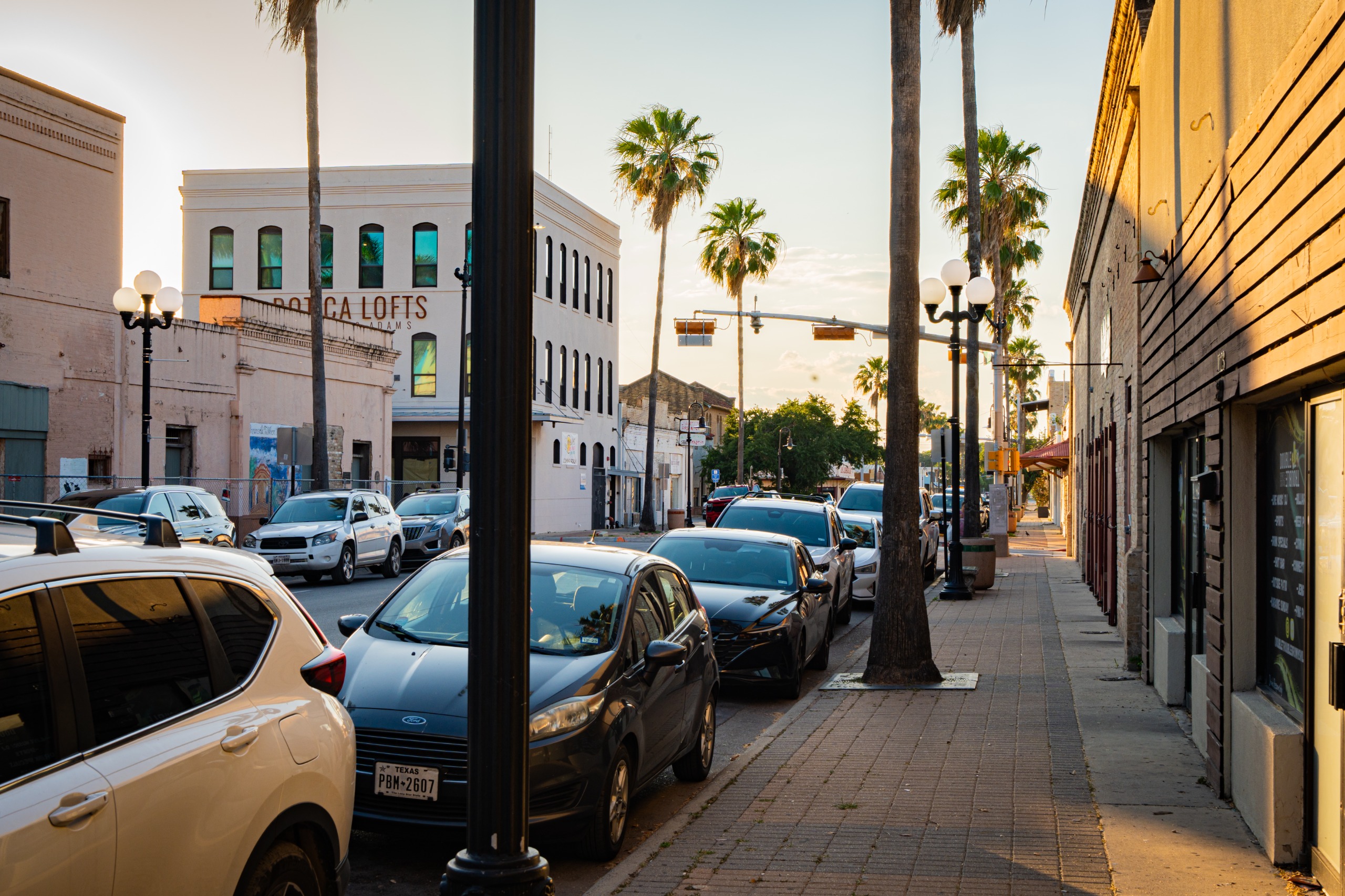
Discover ideas that can transform bathrooms into safer, more supportive environments for individuals living with dementia—spaces that encourage independence, build confidence, and promote everyday comfort and well-being.
Descubra ideas que pueden transformar los baños en entornos más seguros y de apoyo para las personas que viven con demencia—espacios que fomentan la independencia, fortalecen la confianza y promueven el confort y el bienestar en la vida diaria.
This handbook proposes a family-centered approach to urban design that not only enriches visual experience and enhances safety but also supports multigenerational cognitive health, emotional balance, and strong family relationships
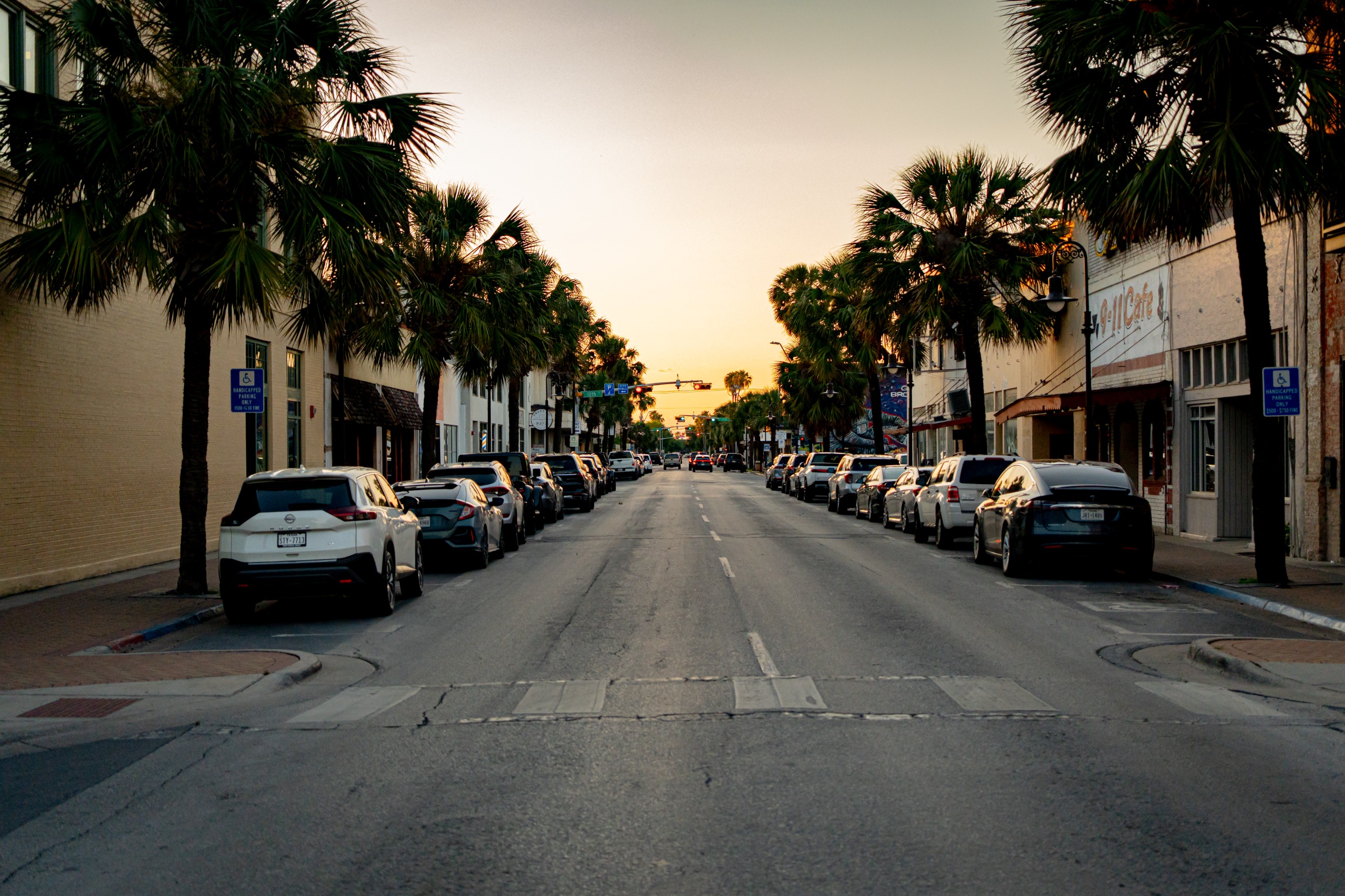
This community profile focuses on Cameron County, Texas, which is located in the Lower Rio Grande Valley (LRGV) of Texas. The Lower Rio Grande Valley is comprised of four different counties. Cameron County covers 1,276 square miles and is home to 17 cities and towns as well as unincorporated land with residents that are historically underserved and underrepresented.
A health profile is crucial for understanding and improving population health by providing a comprehensive view of a city's health status, including factors affecting health outcomes, and identifying areas where interventions can be most effective. These profiles serve as a tool for planning and decision-making, empowering local policymakers and communities to address health inequities and improve the overall well-being of residents.
A health profile serves as more than a statistical summary; it is a strategic tool for collective action. For communities such as those in Cameron County, which have historically faced disparities in healthcare access and outcomes, this profile provides evidence-based guidance to promote equity, resilience, and well-being.

This community brief presents a focused overview of part of the extensive Rio Grande Valley, Texas. The community brief emphasizes the historical and architectural, of the Rio Grande Valley. The purpose of this brief is to provide context for ongoing and future initiatives related to urban development, public engagement, and architectural research in the region. By examining the city's importance, its architectural identity, and its role, we aim to foster a deeper understanding of the opportunities and challenges that shape Rio Grande Valley related to urban landscape.
The architectural heritage reveals the historical shifts in cultural identity, materials, and building methods. From wickiups to hacienda-style estates and post-war functionalism, the diversity of architecture shows how built environments have continually responded to economic, climatic, and social dynamics over time.
Urbanism is crucial for creating livable, sustainable, and equitable communities, impacting economic growth, social well-being, and environmental sustainability. The significance of streetscapes lies in their diverse and accessible public spaces; they are essential for urban livability and have a profound effect on the daily lives and wellbeing of residents.
The built environment significantly impacts brain health and cognitive function, with factors like lighting, green spaces, and social interaction opportunities influencing mental well-being and cognitive performance.
Contact us below:
| Phone | (956) 296-3920 |
|---|---|
| memory@utrgv.edu |
Have questions or want to learn more about a project, contact us below:
| Name | Kennedy Calloway |
|---|---|
| kennedy.calloway01@utrgv.edu |